
Horse Economy Generates Over 70% of Jobs in Rural Areas
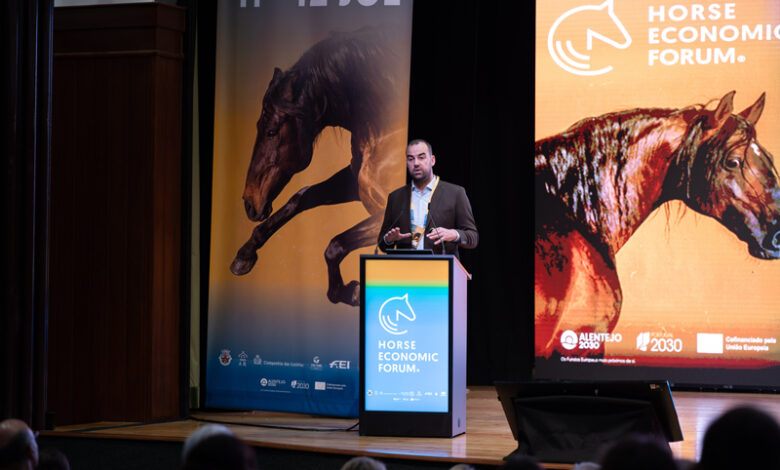
The study “The Horse Economy in Portugal”, presented at the Horse Economic Forum (HEF II) in Alter do Chão, reveals a strong social and territorial impact of the equestrian sector, especially in low-density areas: more than 70% of the 92,000 jobs linked to the equestrian industry are located in rural territories, directly contributing to youth retention, social inclusion, and national cohesion.
The study also shows that over 3,600 people participate annually in university and vocational training programs related to equestrian activities, creating qualification and employment opportunities in areas such as sports, tourism, and health. In parallel, around 2,000 individuals benefit each year from hippotherapy programs, delivered through eighty certified equestrian centers, with proven positive effects on the physical, emotional, and social well-being of children, youth, and adults with special needs.
“Today, the horse is a tool for inclusion, culture, and local development. In Alter, we see how it transforms lives, creates jobs, and attracts young talent,” says Francisco Miranda, Mayor of Alter do Chão. “This study shows that the equestrian sector is not just an economic asset; it is a powerful social resource. Events, therapies, training, sport – all of this transforms the territory and connects people,” adds Alexandre Real, organizer of HEF II.
Beyond the social and educational dimensions, the report highlights the horse’s role as a cultural and tourism driver. With more than 480 equestrian events organized annually, the sector strengthens community ties, attracts visitors, and promotes Portuguese identity internationally. The recognition of Portuguese equestrian art as Intangible Cultural Heritage of Humanity in 2024 further enhanced this visibility.
The study “The Horse Economy in Portugal” recommends recognizing the horse economy as a public policy tool for social and territorial development and suggests enhancing the international profile of the Lusitano horse as a cultural asset with strong symbolic and community value.
In its sector analysis, the study proposes specific incentives for youth training and service digitalization in rural areas to foster inclusion and employability. It also advocates for the integration of health, education, culture, and local development policies to create sustainable and comprehensive responses for low-density regions.
The study further proposes the creation of a national Strategic Agenda to align priorities for the integrated development of the equestrian sector and to boost the international promotion of the Lusitano horse and the Horse Economy, enhancing its recognition and prestige as a cultural ambassador of Portugal.
“We can no longer see the horse as merely a symbol: it is a real solution to real problems. Rural areas need this kind of valorization, and the data shows it’s worth the investment,” concludes Francisco Miranda.
“The Horse Economy in Portugal” is a study conducted under the objectives of the Horse Economic Forum by the consulting firm SFORI, coordinated by Professor Álvaro Lopes Dias. It reveals the impact of the equestrian industry on the national economy and specifically on Alter do Chão. The analysis is based on statistical data and uses a mixed analytical model with direct, indirect, and induced estimates, alongside international benchmarks.
Throughout the two-day event, the “Good Practices Guide for the Equine Sector” was also presented in various sessions. This pioneering publication brings together essential guidelines to promote sustainability, animal welfare, and the professionalization of the horse value chain. The guide was initiated by the Municipality of Alter do Chão, developed by the Horse Economic Forum with input from sector specialists, and aims to serve as a practical reference for breeders, managers, veterinarians, and other stakeholders in the industry. The guide reflects the event’s commitment to the ethical and economically sustainable development of the sector.
In line with its commitment to adopting the United Nations’ Sustainable Development Goals (SDGs) to promote global sustainability by 2030, HEF II was organized as a carbon-conscious event, recognized through the Sustainable Seal, certifying the Forum’s commitment to environmentally responsible practices, environmental impact assessment, and the implementation of concrete compensation measures.